

To worry is to plant milkweed.
The monarchs will come, the eggs will hatch and the milkweed will stand lovely with caterpillars.
That’s the easy part.
Caterpillars are ravenous creatures. No matter what stage of development. The closer to chrysalis the hungrier the caterpillar, placing the youngest at risk. The little ones need milkweed for proper development and are doomed without it.
And as luck will have it, a tiny caterpillar will always be spotted when a plant is loaded with top dog 5th Instars stripping the milkweed clean clean clean to get on with their personal metamorphosis.
This is where worry kicks in.
You will never have enough milkweed.
The 5th Instars might pull through with a bit of shaved butternut squash. Maybe a slice of cucumber. The juveniles - the 1st, 2nd, 3rd and 4th Instars - are going to starve. As in die. And it’s your fault, this is what you will think.
I have experienced Monarch Madness.
You can save the caterpillars, you think. Buy more milkweed. I did. I bought (and bought and bought) a resupply - resupply - resupply at the big box store garden center. I stood shoulder to shoulder with others demonstrating similar symptoms of MM syndrome.
We all headed back to our homes, unloaded and planted the savior milkweed and saved the babies, as well as the yet to hatch eggs that hitchhiked home with us on said savior milkweed .
I will not even elaborate the worry over wasp predators, the storm troopers of Monarch caterpillars. I will share my attempt to prevent the savage nature of this horror show. The night before our big trip to Paris, instead of practicing my best bonjour, I was in the garden fashioning a lean-to shelter with tomato stakes, bird netting and clothespins to keep the stingers out while allowing just enough clearance for caterpillars feeling the need for speed to find a place, hang upside down and allow the chrysalis to begin.
Monarch Madness, for sure.
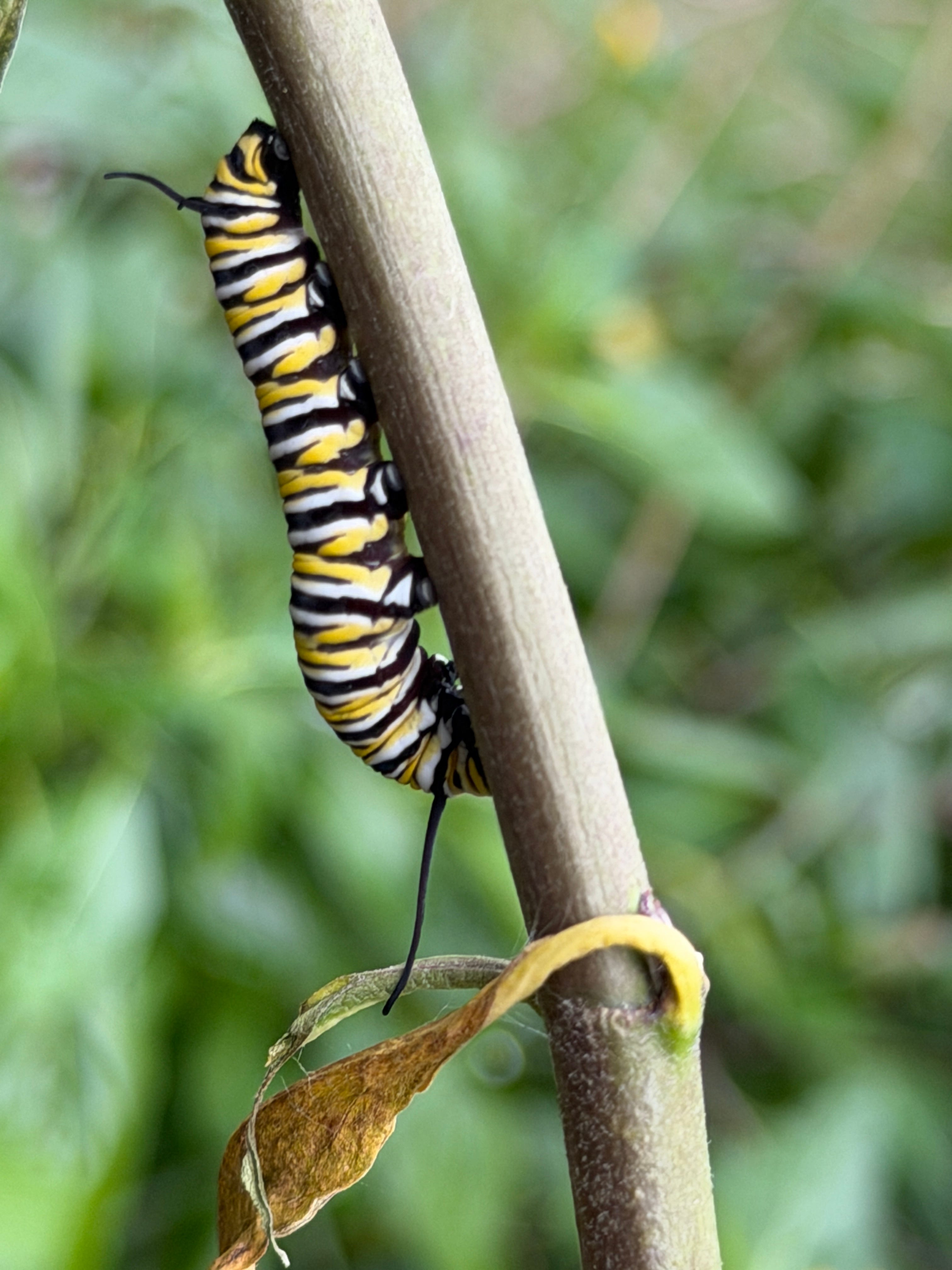
Lessons learned:
Cut the milkweed back once stripped. It will grow back a healthier plant and limit caterpillar exposure to the protozoan parasite Ophryocystis elektroscirrha aka OE, the deadly result of improperly maintained tropical milkweed. (Those who have not experienced an exploding caterpillar, consider yourself fortunate).
Plant milkweed seeds. If the seeds don’t sprout, no worries. The worries kick in when buying (and bringing home) milkweed nurseries full of eggs laid by Monarch butterflies cruising the garden centers, living their best short lives.
Raise the critters inside. Be a good milkweed parent and plan to keep the a/c off the entire summer.
Take a break. Maybe forever.
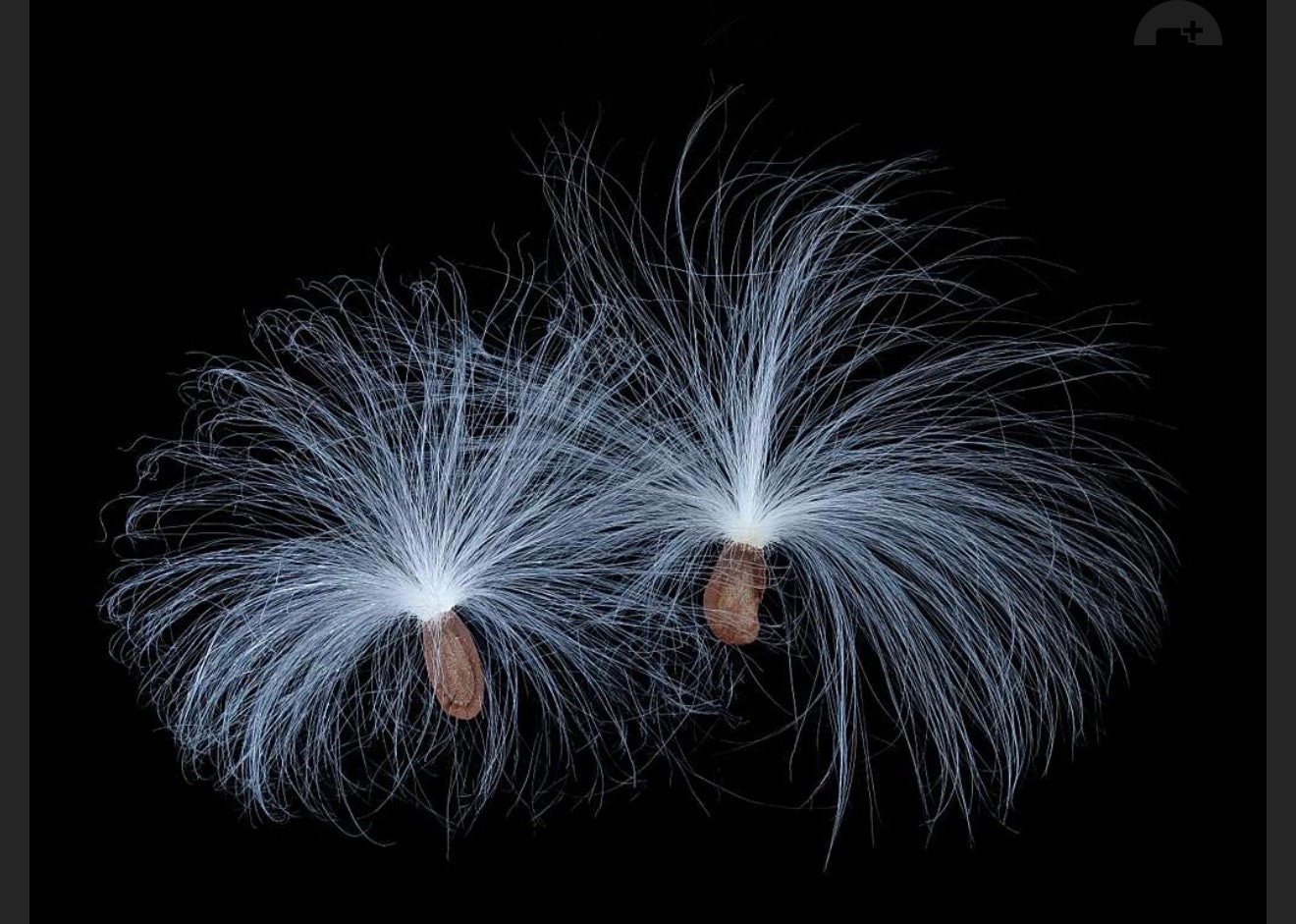
Milkweed seeds. Public domain image.Milkweed will find you.
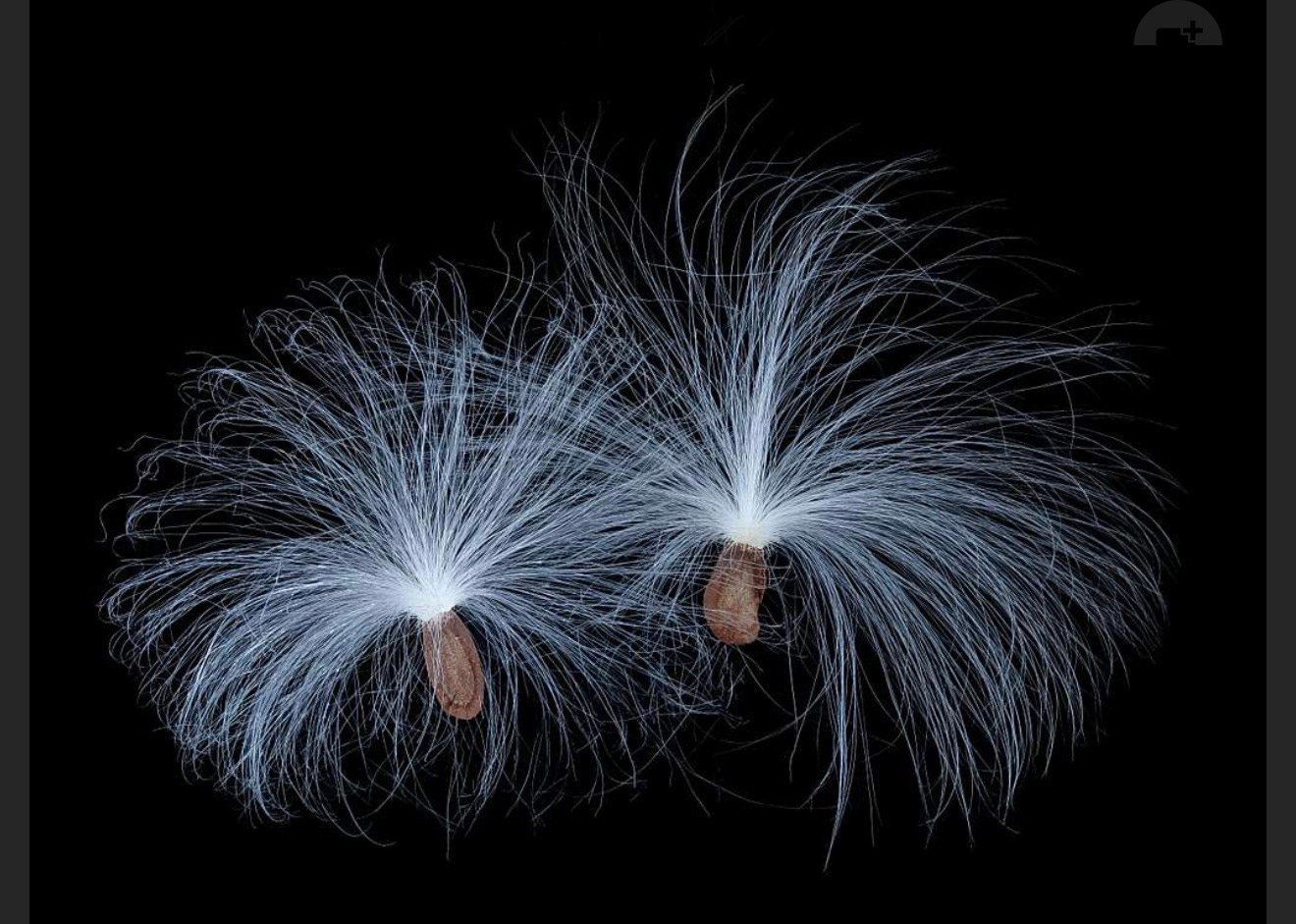
Milkweed will find you.
The word on our street was the parcel of scrub land loaded with marsh rabbits and squirrels and raccoons and opossums and magnificent birds and snakes and bugs and wildflowers and cabbage palms and ancient oaks and pine trees and palmetto and every Florida vine imaginable had been both sold and rubber-stamped for redevelopment. Two houses would be the first built on this sacred habitat, directly across from our home.
Exactly the same location where I observed a native milkweed pop open its pods and release its wispy fluffy seeds into the breeze. I’d plucked a few from flight and into a container.
I could save a piece of paradise is what I thought.
I planted the seeds. The heirloom milkweed drew a few Monarchs, kept the occasional caterpillar fed. None piggybacked in on store-bought plants. No caterpillars came close to starvation or early chrysalis. The milkweed remained plentiful and I worried less.
Months pass.
Surprise! A couple of days ago, the milkweeds were close to naked, with the exception of two to three caterpillars devouring the last few remaining leaves. Seemingly overnight, the stalks were as bare as a broomstick. Emergency butternut squash and cucumbers were provided the big guys, but the smaller caterpillars would not develop properly without milkweed.
I headed over to the bit of paradise not yet bush hogged for the lesser good.
None. Not one plant. I had watched so many seeds whisked into what was left of the lush land and yet, no milkweed. Worst case scenario, I’d have to buy big box milkweed. I really did not want to go down that road again. A neighbor waved my way and after a hi and hello, I shared my worries and my search for a patch of native milkweed to transfer and relocate the caterpillars. But I couldn’t find any.
I’ll paraphrase his answer. We have so much milkweed, the seeds keep flying our way and the plants keep growing back, we can dig up some plants for you.
It was one of those moments where you know a power unseen is sick and tired of watching you worry.
Incredibly grateful, I carried home eight native milkweed plants. Tall and healthy. Flush with leaves. I pulled on my protective sun gear, grabbed a shovel and in ninety-plus degree heat, got busy digging. After planting the first, the clouds rolled in and shaded me from the onslaught of the sun. An hour or so later, the milkweed stood ready.
The caterpillars would not starve.
And today, the rain came.
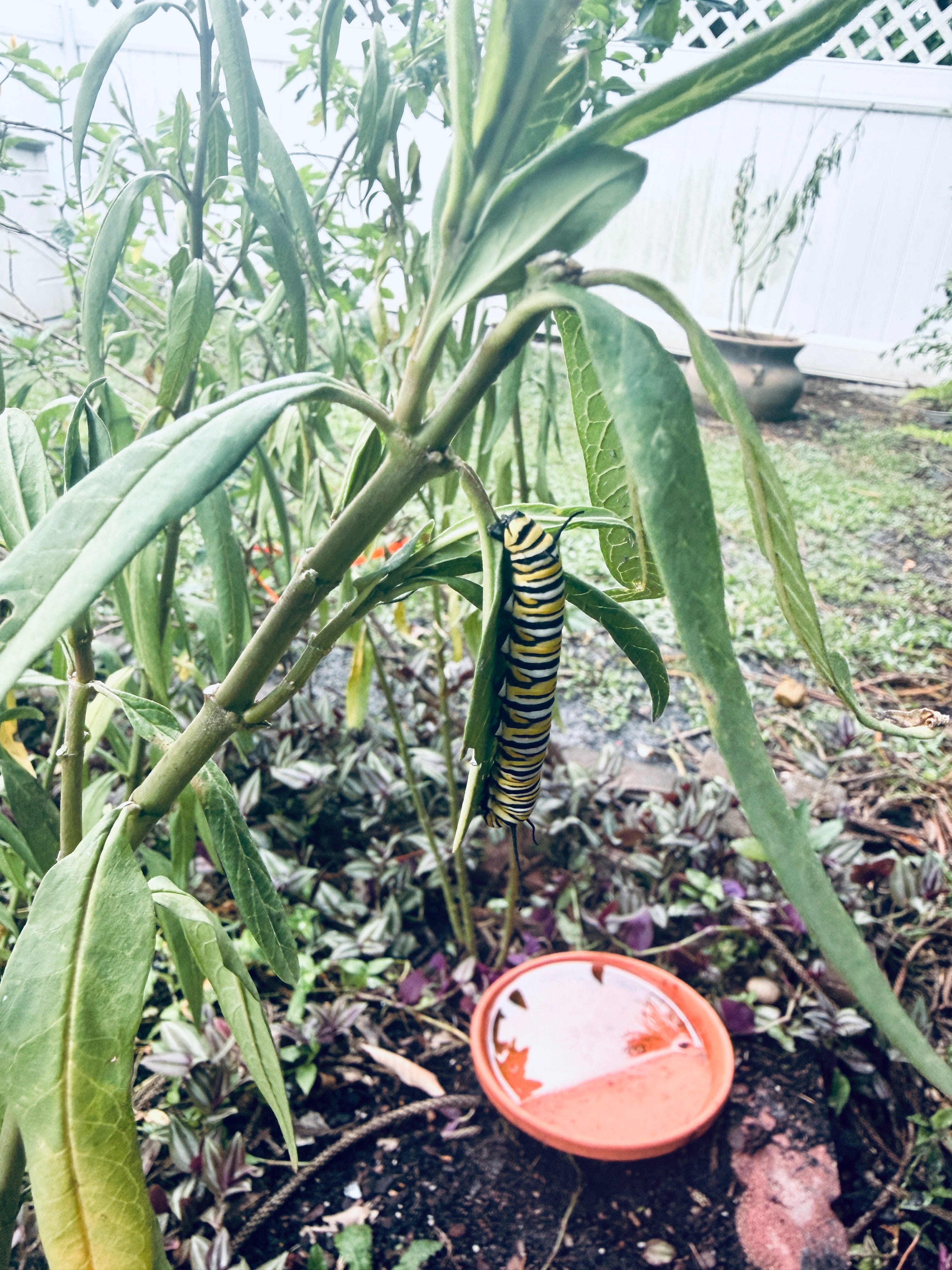
For John and Mark. Thank you.
Okay, so thank you so much for educating me on caterpillars, Sheree. I am new to gardening, but last year I found this white, spiky thing and thought it odd, and then looked it up online and discovered those dang white things were wasp babies feeding on the caterpillar, and eating it from the inside-out! Disgusting!!! So, last week I found another one, and this time I stopped picking tomatoes to scrap all of those wasp eggs off, thinking I was hopefully saving the poor caterpillar. But, alas, yesterday I found the host dead. Ah, nature. 😔 (But … wonderful post and best of luck!)
Wonderful man vs nature story. I too had a similar attack from a developer who ripped out towering plants and hauled in landscaping rocks. I found one surviving plant this morning in my garden.